Before we delve back into our conversation pertaining to air-purifying plants, I thought it would be appropriate to take a collective moment and offer some general thanks toward plants as a general concept. They’re pretty incredible, and while I’ve accepted I will never possess the tremendous green thumb my mom has, I can still appreciate the plants I own up until I kill them, which, normally speaking, doesn’t take too long.
My dad actually got me a plant before Christmas, and the thing is still kicking. I consider this a serious win in my books.
Anyways, back to air-purifying plants, and again, this information comes from wagnergreenhouses.com.
“6. Boston Fern (Nephrolepis exaltata)
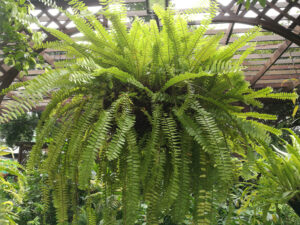
Ferns are one of the oldest groups of plants best known for their ability to filter out xylene, toluene and benzene pollutants. As a houseplant, it requires a bit more attention than others as it prefers frequent watering and misting to mimic the humid environment of its South American home. Care Tip: Place an indoor humidifier near this plant to easily provide the humidity levels it craves without the need for constant misting on your part.
“7. Peace Lily (Spathiphyllum)
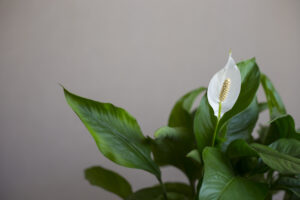
An outstanding ornamental foliage plant for beginners and plant experts alike. The peace lily excels in the removal of alcohols, acetone, trichloroethylene, benzene and formaldehyde. It does best in indirect, medium-to-low sunlight. Care Tip: The peace lily is another houseplant that is toxic to cats and dogs. Keep out of reach of pets to avoid unintentional poisoning.
“8. Spider Plant (Chlorophytum Comosum)
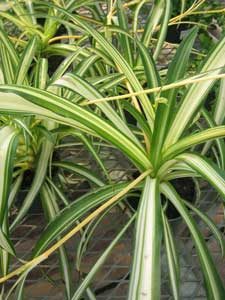
One of the easiest houseplants to grow and also simple to propagate its often abundant pups, the spider plant is a natural at absorbing carbon monoxide and formaldehyde while decomposing benzene and nicotine. One plant in a 200 square foot room is enough to be an effective air filter. Care Tip: Bright light is best to encourage the growth of spiderettes or ‘pups’ for aesthetics and propagation.
“9. Snake Plant (Sansevieria)
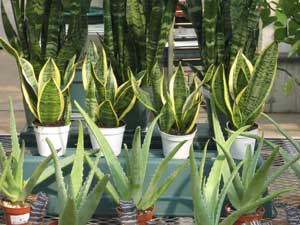
An evergreen plant with stiff, vertical leaves that’s knows for it’s nickname, ‘mother-in-laws tongue.’ One of the most drought tolerant plants that’s extremely tolerant of low light and irregular/infrequent watering. It removes benzene and passively absorbs formaldehyde. They make great statement floor plants and are slower growers than most easy-care houseplants, so do be patient.
“10. Weeping Fig (Ficus Benjamina)

This flowering tree, native to Bangkok, is great at removing benzene and formaldehyde but requires a little more attention. It prefers bright, filtered light, frequent misting and needs to be placed away from drafty areas in your home. Over watering this can cause the leaves to yellow and fall off, only water when the top two inches of soil is dry. Care Tip: These plants will often be sold with braided roots for decorative appeal, unbraid the roots carefully to give this plant the best chance at success,” the web page explains.
Go get yourself some air-purifying plants, my friends.
 ontheedgeofeverything