I said in yesterday’s post and I’ll say it again – to learn something we have believed to be true our entire lives is, in fact, not, is a bit of a harrowing experience. This sounds dramatic, but I suppose, in a sense, we feel betrayed; how could we have allowed ourselves to consider something true when it is anything but?
Following betrayal, I imagine a lot of us experience shame, embarrassment, and honestly, confusion.
Seeing as finding out something we were convinced to be true is the complete opposite isn’t the most pleasant of experiences to endure, today’s post will be a continuation of yesterday’s, sharing with you things a lot of us think are true, but are not. Again, this information comes from insider.com.
“Van Gogh cut off his ear in a fit of madness for a woman. Vincent van Gogh, famous Dutch painter, did indeed get part of his ear sliced off, but it may have happened during a fight, rather than as a romantic gesture for a sex worker or in a moment of madness. The van Gogh museum noted that the artist may have cut off his own ear during an argument with French artist Paul Gauguin, but he later could not recall anything about the event. But Hans Kaufmann, one of the authors of the book ‘Pakt des Schweigens’ told ABC that he and some experts believe that to save Gauguin from prosecution, van Gogh and Gauguin lied to authorities after Gauguin attacked van Gogh with a fencing sword and swore to never talk about it again. This would account for the difference in stories.
“It takes seven years for your body to digest a piece of gum. Actually, gum will pass right through you and leave your body within a matter of hours or days. According to Healthline, the ingredients in gum can’t be digested at all, so your body will move it along and pass it as a bowel movement.
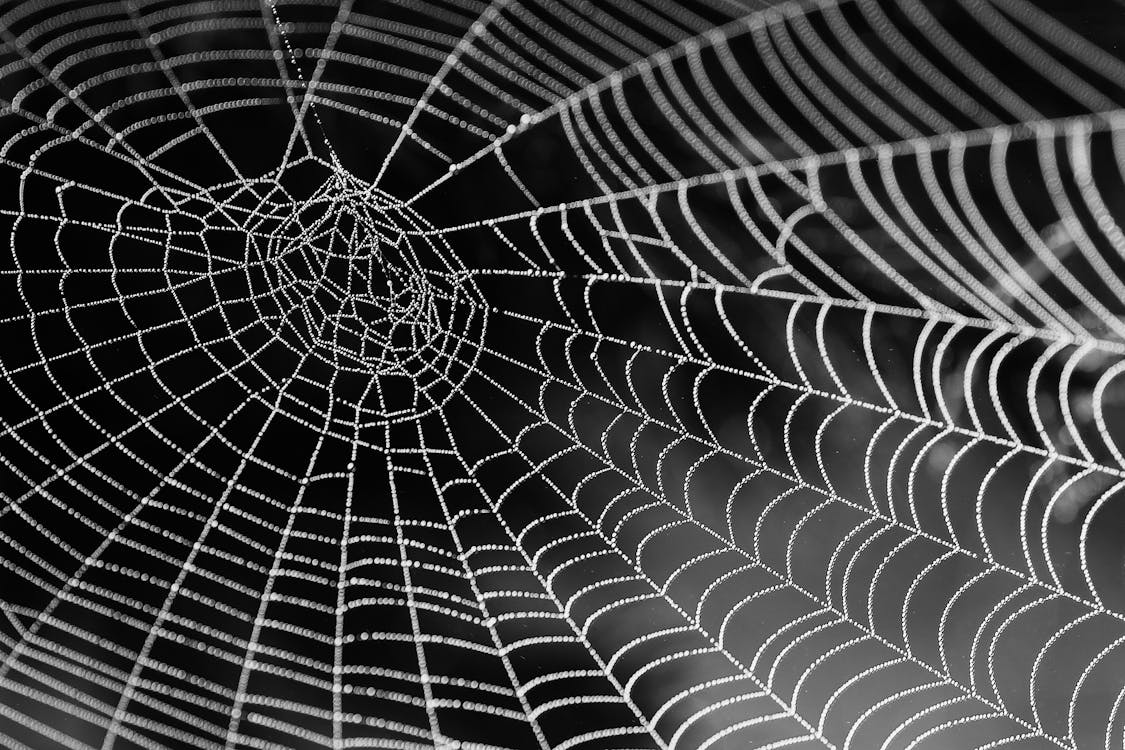
“On average, you swallow eight spiders a year in your sleep. Thankfully, this one’s far from true. Scientific American claimed that spiders don’t intentionally crawl into a bed because there’s no prey and they don’t care about humans. ‘Spiders regard us much like they’d regard a big rock,’ Bill Shear, former president of the American Arachnological Society told the site. If a sleeping person has their mouth open, they’re likely snoring, creating vibrations that warn spiders of danger and scare them off,” the article explains.
The more you know, eh?
 ontheedgeofeverything